While pursuing my master’s in food science at the University of Maine, a conversation in class struck a familiar chord. We were talking about shelf-stable versus refrigerated low acid beverages, and most students instinctively said refrigerated options were “safer” and “healthier.” That perception isn’t unique to the classroom; it mirrors what many consumers believe. It's a common assumption: if something isn’t refrigerated, it must be loaded with preservatives and not safe or healthy. But that simply isn’t true. Let’s break it down.
Don’t judge a beverage by its temperature
29 May 2025

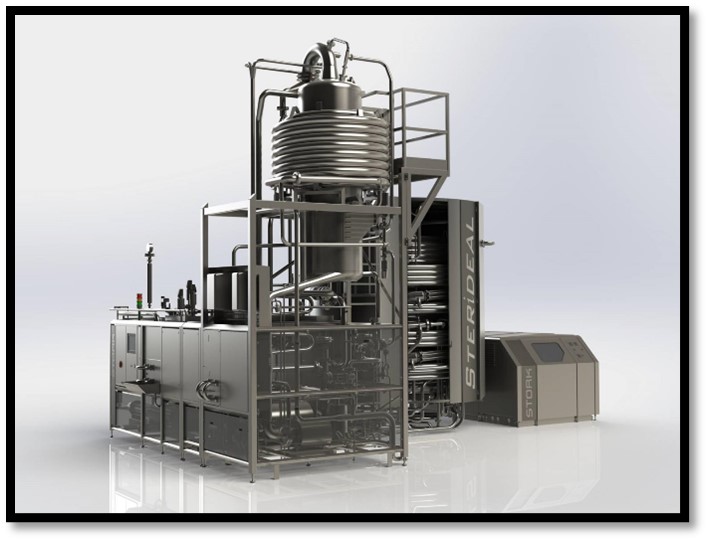
Take a mocha coffee drink with dairy components. If it’s aseptically processed and filled into PET or HDPE bottles—the sturdy plastic ones you see in stores—it goes through an advanced Ultra-High Temperature (UHT) sterilization process. This process involves heating the product to a high temperature for just a few seconds to eliminate bacteria, kill spores and heat-resistant organisms. It’s then filled and sealed in a sterile environment. The result? A healthy, shelf-stable product with a long, safe lifespan—often up to two years—without requiring refrigeration.
Compare that to traditional pasteurization processes you may be familiar with (think milk pasteurization). While still a reliable and effective thermal process, traditional pasteurization uses a lower temperature over a longer period and doesn't fully sterilize the product. This process slows microbial growth, to avoid spores germinating, but it doesn’t stop it, so the beverage must remain refrigerated from production to consumption.
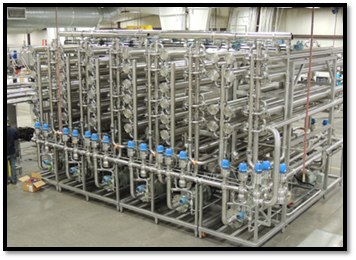
That’s a simpler solution but more expensive per package because of its distribution method and leaves greater room for spoilage if the cold chain integrity is broken. Interestingly, because of the strong consumer bias toward “cold equals fresh,” many aseptically processed beverages are intentionally placed in refrigerated sections merely to align with shopper expectations. But ironically, these shelf-stable products are often microbiologically safer than their refrigerated counterparts.
So how do brands choose between aseptic and refrigerated processing?
It depends on the product’s composition, shelf-life goals, distribution model, and customer preferences. If your beverage includes dairy or plant-based milks, coffee, protein, or juice blends, aseptic processing can offer both functional and commercial advantages: longer shelf life, broader market reach, less cold chain dependency, and reduced spoilage.
At JBT Marel, we offer both UHT and pasteurization solutions, engineered to fit your specific processing needs. Whether you’re developing a premium ambient beverage or optimizing a cold-fill product, our systems support safe, consistent, and efficient production across the board.As the market evolves, so should our understanding of food safety and freshness. Shelf-stable doesn’t mean compromised. In fact, it often means smarter.
About the author
Romeo Berthier is a Business Development Manager at JBT Marel DF&H, North America and a current master’s candidate in food science at the University of Maine. With over a decade of experience in processing technologies and thermal systems, he specializes in helping leading food and beverage brands deliver safe, high-quality products through innovative solutions.
Get in touch
Our dedicated team is here to help and answer any questions you may have. Please complete the form, and we’ll get back to you as soon as possible. We look forward to hearing from you.